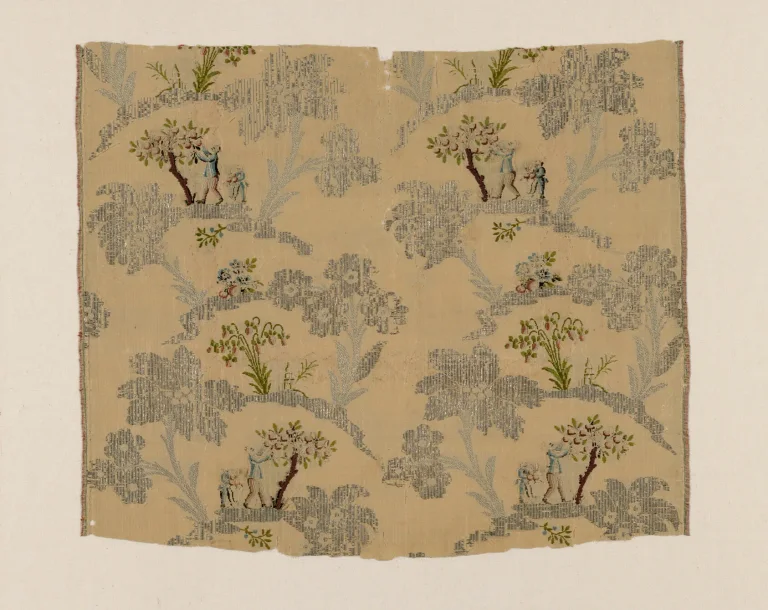
Fragment
Fragment is a work dated c. 1750, associated with France, in the collection of the Art Institute of Chicago.
History & Civilizations
A variety of artworks is ready to explore. Take your time admiring each one as you piece the puzzle together.
Fragment is a work dated c. 1750, associated with France, in the collection of the Art Institute of Chicago.
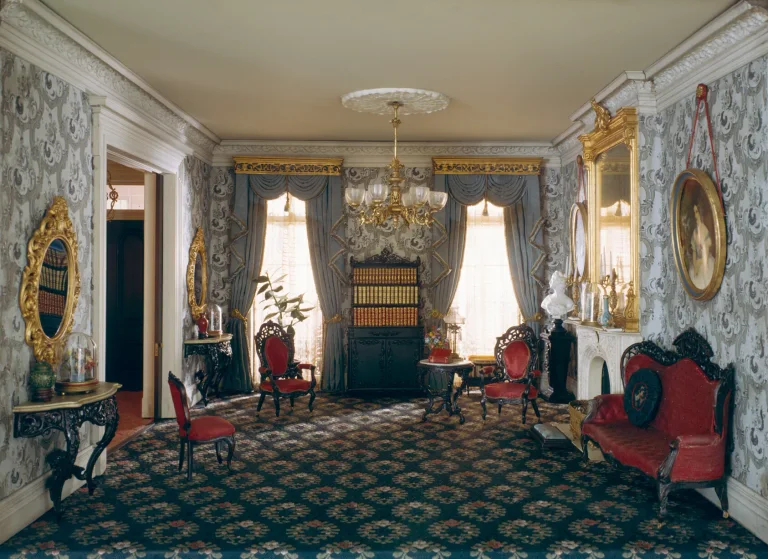
A15: New York Parlor, 1850-70 is a work dated c. 1940, associated with Designed by Narcissa Niblack Thorne American, 1882-1966, in the collection of the Art Institute of Chicago.
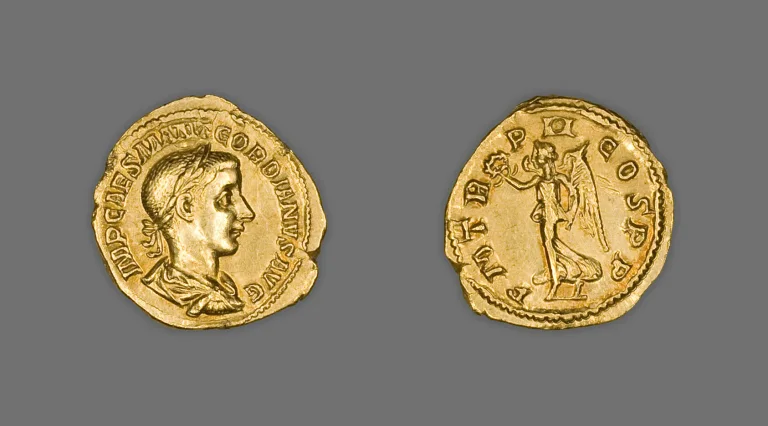
Aureus (Coin) Portraying Emperor Gordian III is a work dated 239 (late July-December), issu, associated with Roman, minted in Rome, in the collection of the Art Institute of Chicago.
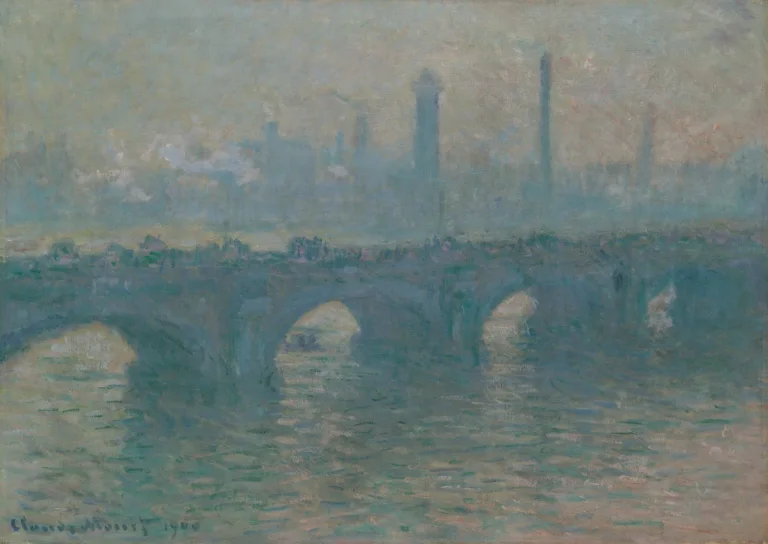
If not for the fog, Monet once remarked, “London wouldn’t be a beautiful city. It’s the fog that gives it its magnificent breadth.” While working on his London series, he rose early every day to paint Waterloo Bridge in the morning, moving on to Charing Cross Bridge at midday and in the afternoon. He observed both motifs from his fifth-floor window at the Savoy Hotel.
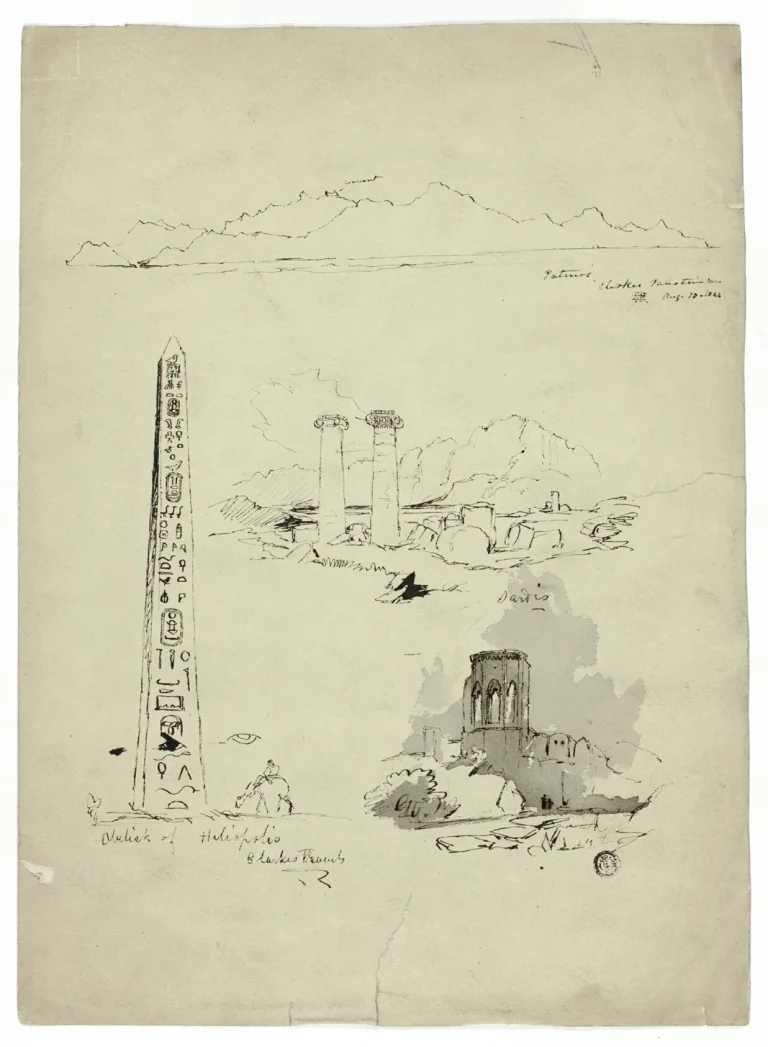
Sketches of Patmos, Sardis, Obelisk of Heliopolis is a work dated n.d., associated with Unknown artist possibly British, 19th century, in the collection of the Art Institute of Chicago.
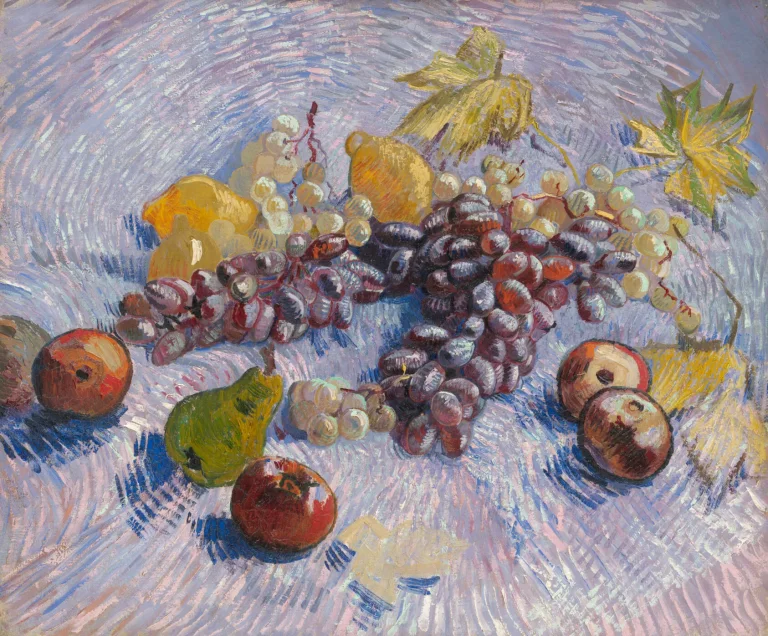
This is one of a group of related canvases featuring fruit that Van Gogh painted in 1887. In these works, he employed more vibrant colors and used a thicker, broader paint application than he had earlier. Here, he used complementary colors whose contrasting effect is heightened by the pulsating pattern of brushstrokes that defines the tablecloth and creates a force field around the fruit.
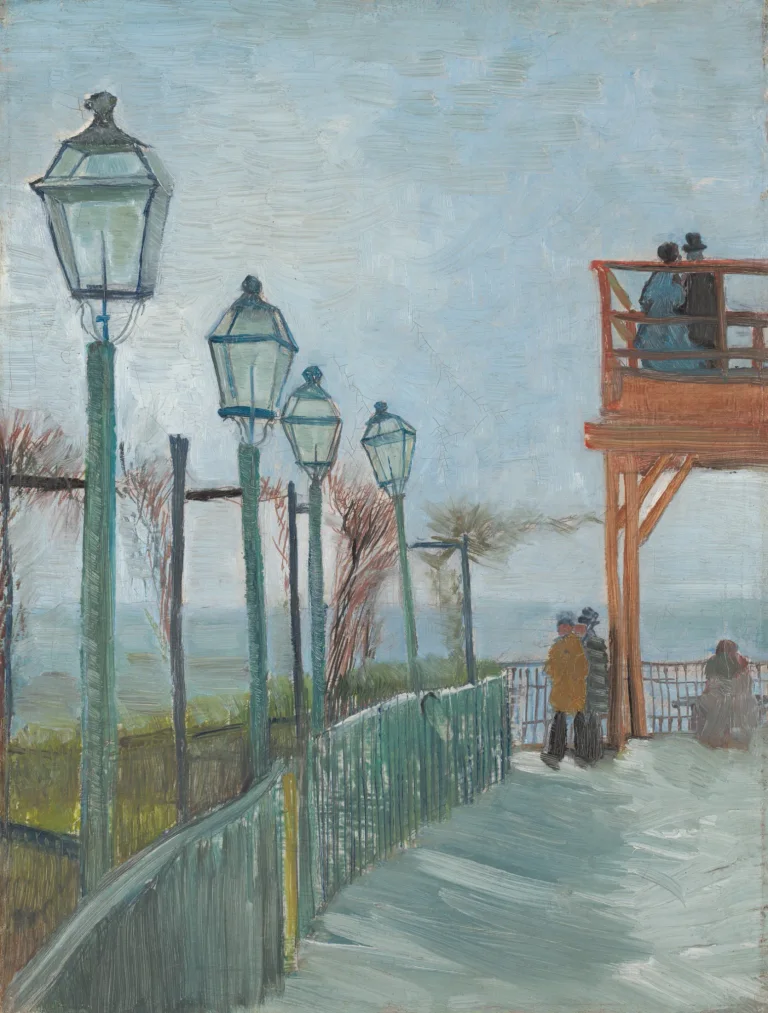
This painting dates to 1887, roughly a year after Van Gogh arrived in Paris to join his brother, the art dealer Theo van Gogh. It is one of a group of landscapes featuring the Butte Montmartre, a short climb from the apartment on the rue Lepic where Vincent and Theo lived. Montmartre was dotted with reminders of its quickly receding rural past—abandoned quarries, kitchen gardens, and three surviving windmills, including the Moulin de Blute-Fin.
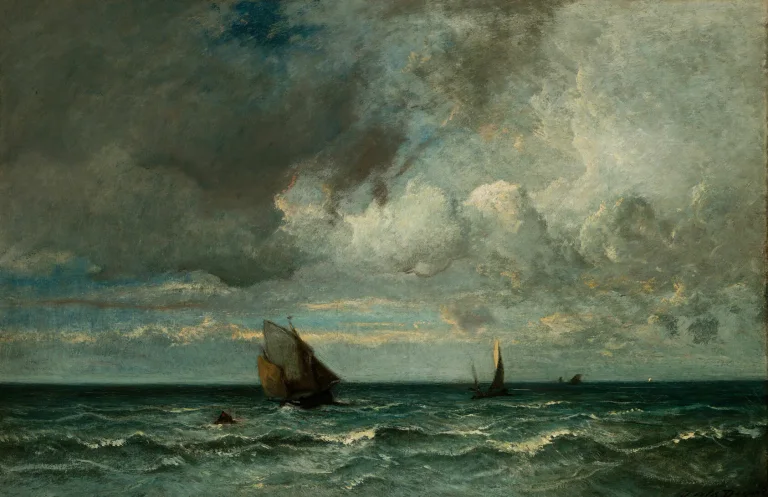
Barks Fleeing Before the Storm is a work dated 1870–75, associated with Jules Dupré (French, 1811–1889), in the collection of the Art Institute of Chicago.
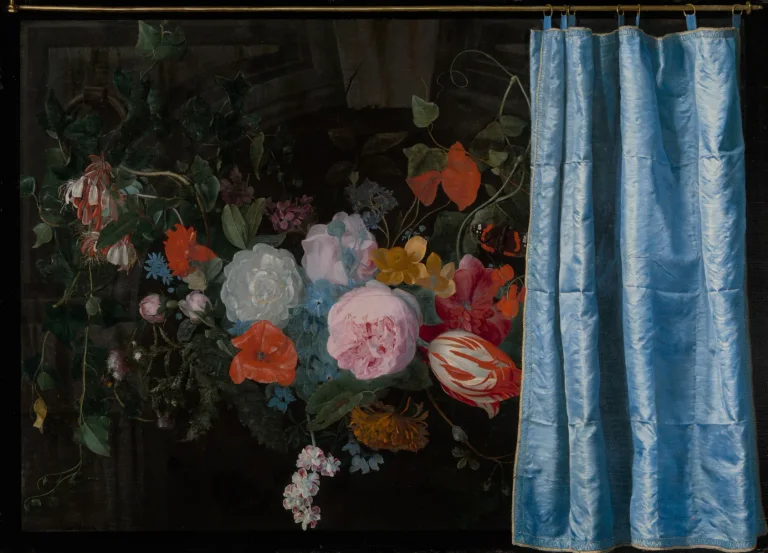
Van der Spelt’s splendid garland displays about 20 floral varieties—including a tulip, a 16th-century import from Persia that is now an icon of Dutch culture. The deceptively realistic blue curtain, painted by Frans van Mieris, refers to the historical strategy for protecting paintings but also to the tale of Parhassius, a skilled Greek artist who fooled a rival into attempting to pull back a curtain painted onto one of his pictures.