ObjectsEasyAbout 10 min
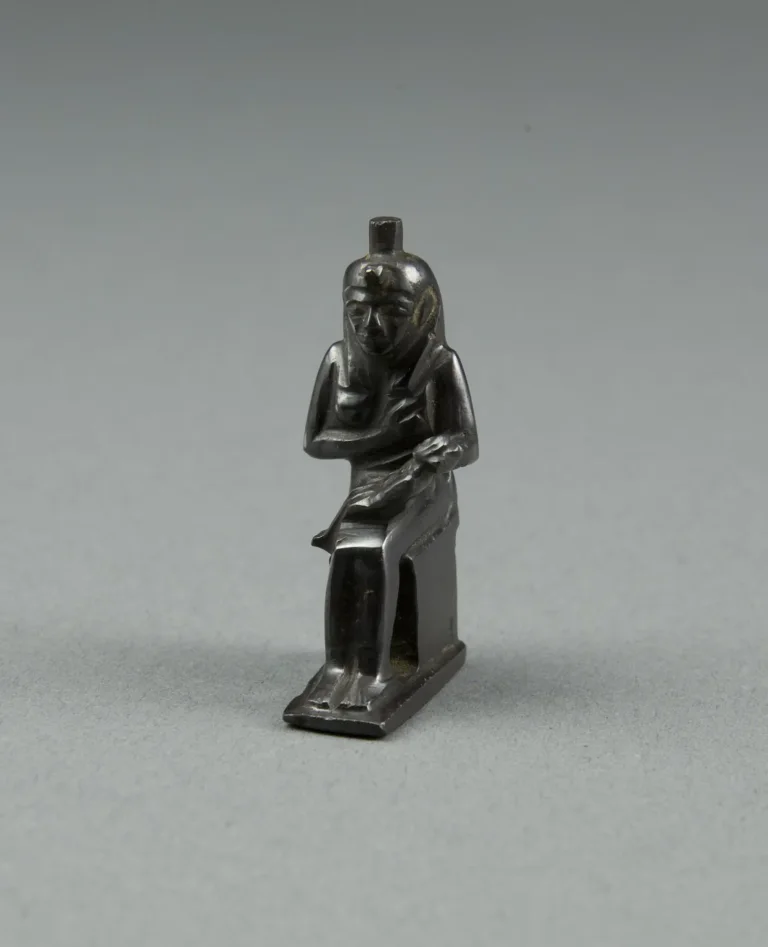
Amulet of the Goddess Isis Nursing the God Horus is a work dated Third Intermediate Period, Dyn, associated with Egyptian, in the collection of the Art Institute of Chicago.
History & CivilizationsMyths & Legends
ObjectsEasyAbout 10 min
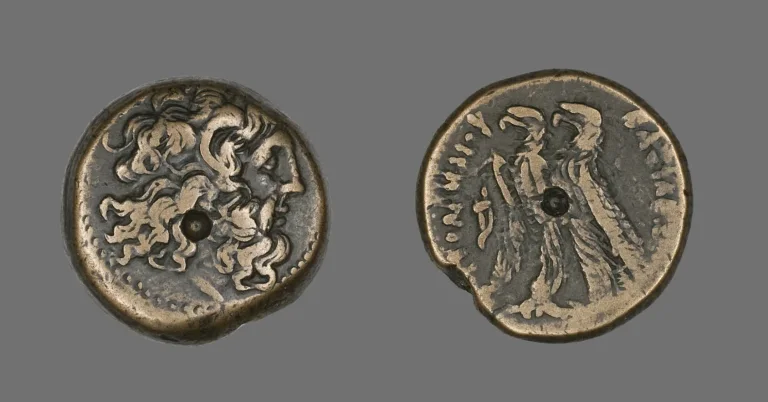
Coin Depicting the God Zeus is a work dated 117-111 BCE, issued by Ptolemy, associated with Greek, Ptolemaic; minted in Egypt, in the collection of the Art Institute of Chicago.
History & CivilizationsMyths & Legends
LandscapeChallengeAbout 35 min
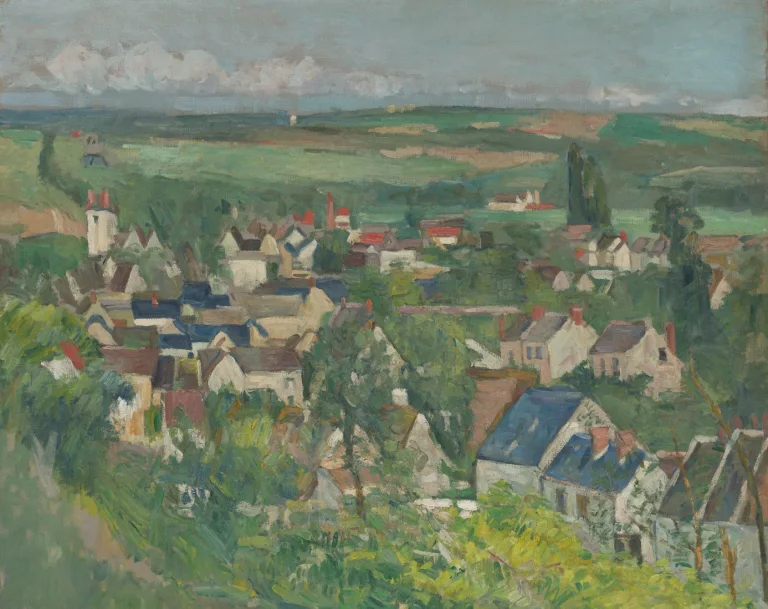
Paul Cezanne made this work while being mentored by Impressionist Camille Pissarro. He rendered the unusual perspective—looking down onto the rooftops of Auvers and out to the distant countryside—with blocky, energetic patches of color and areas of ragged brushwork that might seem unfinished. These choices mark Cezanne's attempt to communicate not merely the landscape’s appearance but also the feeling of seeing it and painting it.
Classic MasterpiecesModern ArtNature & Seasons
ObjectsEasyAbout 10 min
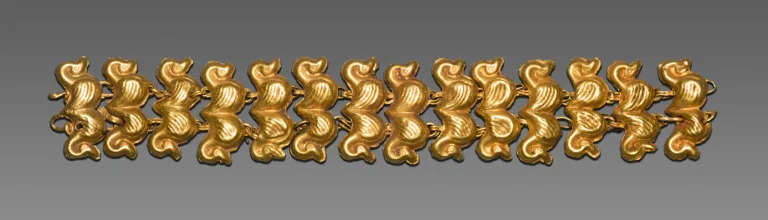
Fragment of a Necklace is a work dated 3rd century, associated with Roman; probably Egypt, in the collection of the Art Institute of Chicago.
History & Civilizations
ObjectsChallengeAbout 35 min
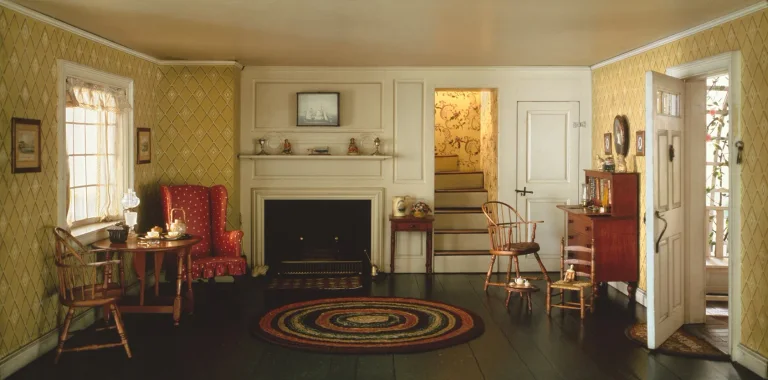
A12: Cape Cod Living Room, 1750-1850 is a work dated c. 1940, associated with Designed by Narcissa Niblack Thorne American, 1882-1966, in the collection of the Art Institute of Chicago.
History & CivilizationsInterior DesignMiniatures
PortraitChallengeAbout 35 min
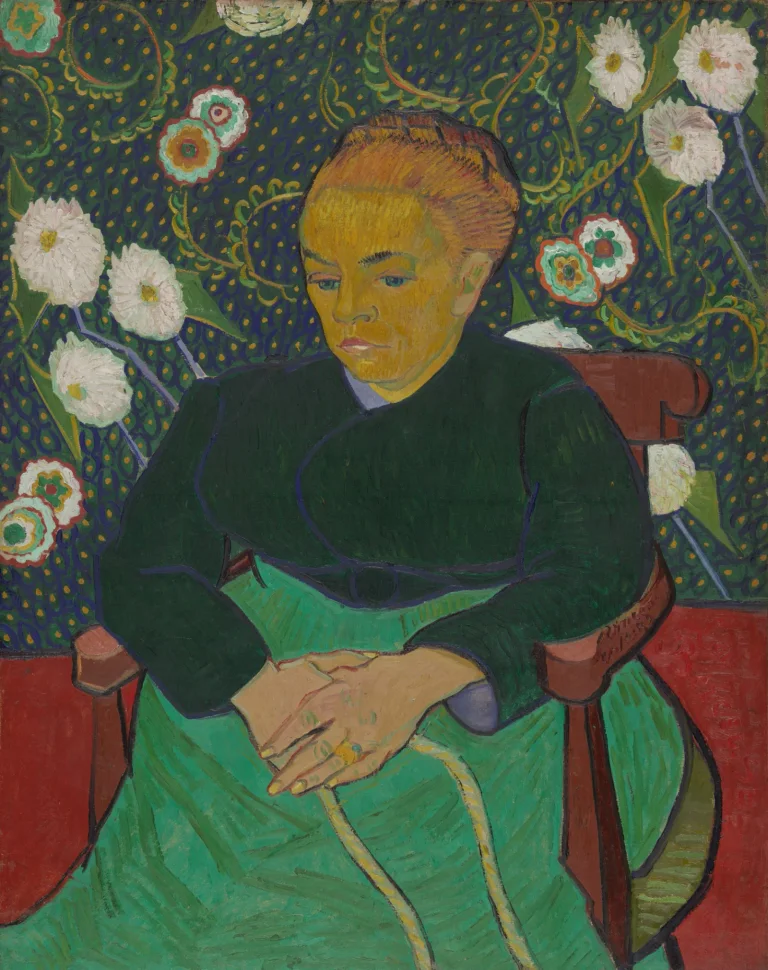
Van Gogh saw in Augustine Roulin—along with her husband, Joseph, and their children—a model of love and family life. He completed this work in 1889, soon after returning from his stay in the hospital following Paul Gauguin’s fraught departure. Madame Roulin sits in Gauguin’s chair, an attempt by Van Gogh to fill the space left by the older artist. In May 1889, Van Gogh gave this canvas to Gauguin as a gesture of reconciliation and friendship.
Classic MasterpiecesModern Art
ObjectsChallengeAbout 35 min
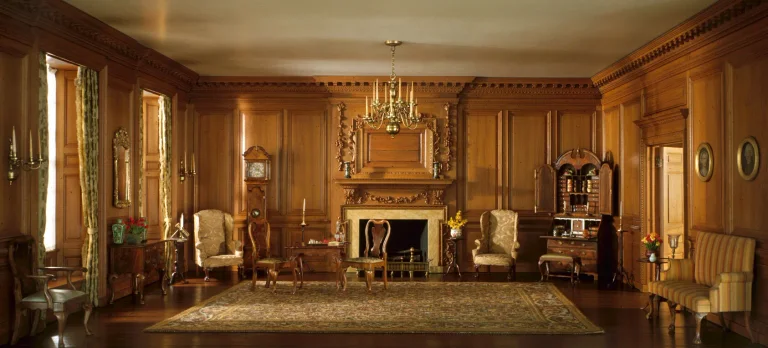
A5: Massachusetts Drawing Room, 1768 is a work dated c. 1940, associated with Designed by Narcissa Niblack Thorne American, 1882-1966, in the collection of the Art Institute of Chicago.
History & CivilizationsInterior DesignMiniatures
LandscapeMediumAbout 18 min
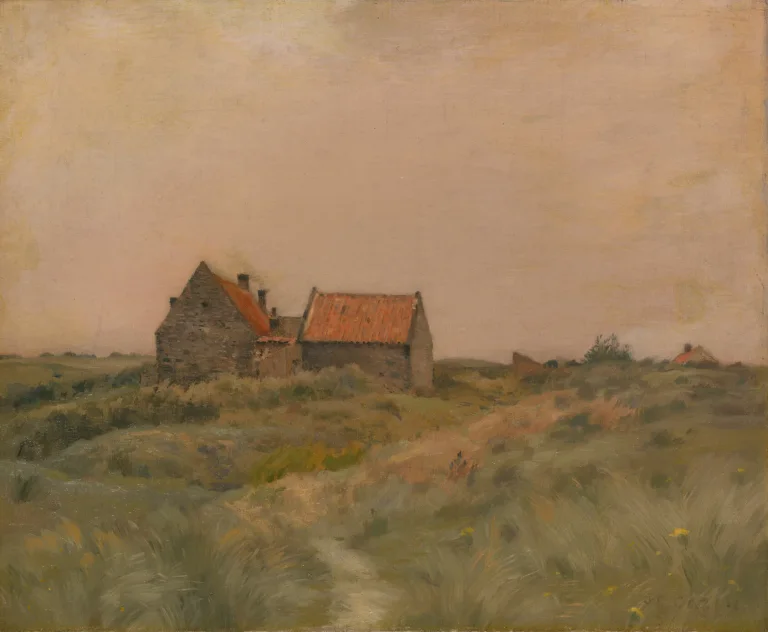
October Day is a work dated 1890–93, associated with Jean Charles Cazin (French, 1841–1901), in the collection of the Art Institute of Chicago.
Classic MasterpiecesNature & Seasons
PortraitChallengeAbout 35 min
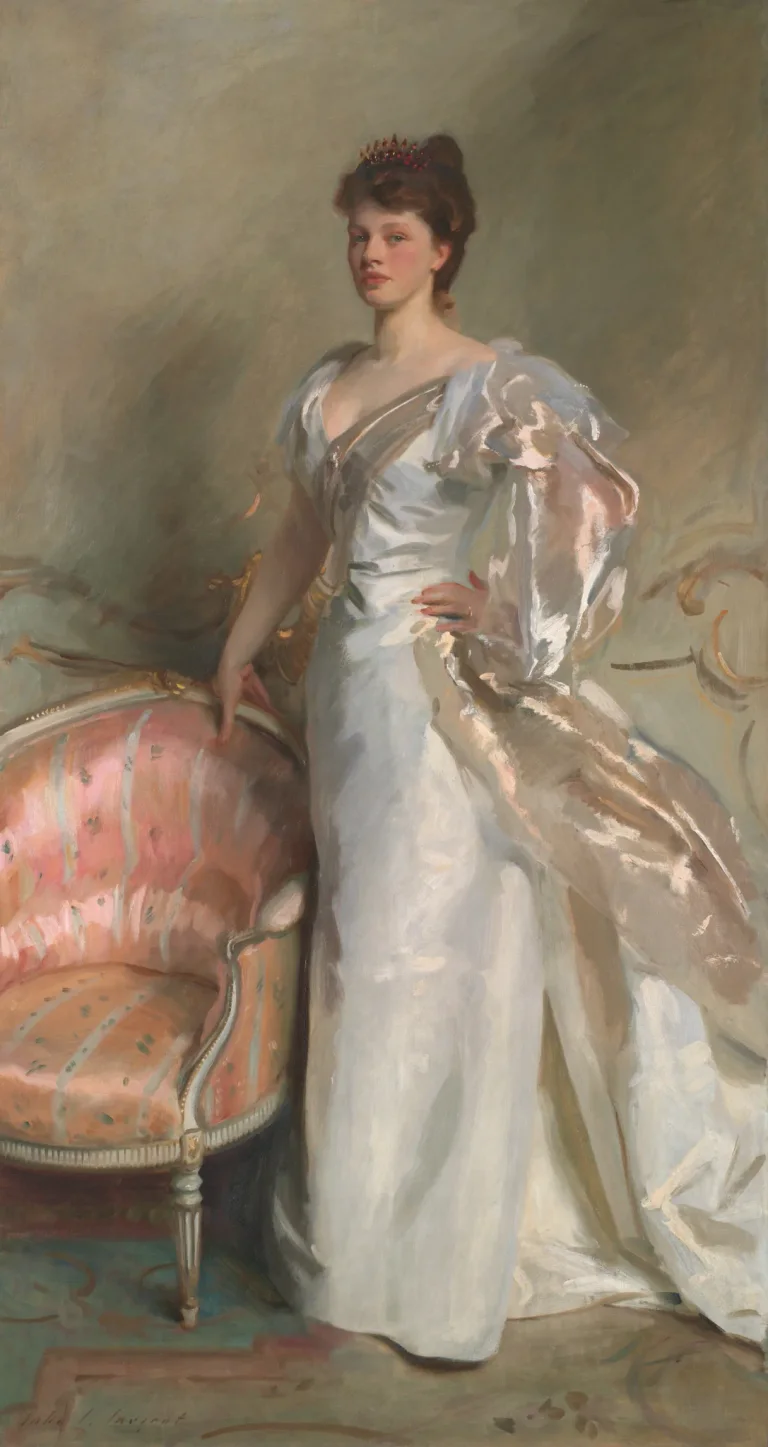
John Singer Sargent was one of the most fashionable portraitists in late 19th-century Europe and America. Extravagant color and brushwork were central to Sargent’s success, as was his ability to present a refined image of his sitter. Here, Sargent accentuated Mrs. George Swinton's regal bearing and feminine dress, harmonizing the realism of her face with bursts of impressionistic brushstrokes describing her gown's shimmering fabric.
Classic Masterpieces