ObjectsMediumAbout 18 min
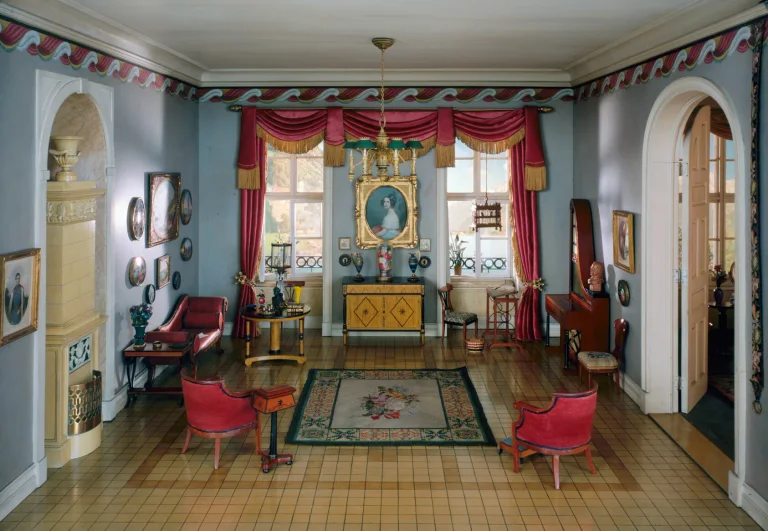
A miniature interior designed by Narcissa Niblack Thorne, recreating a German sitting room in the Biedermeier style from 1815 to 1850. Collection of the Art Institute of Chicago.
Classic MasterpiecesHistory & CivilizationsInterior DesignMiniatures
ObjectsMediumAbout 18 min
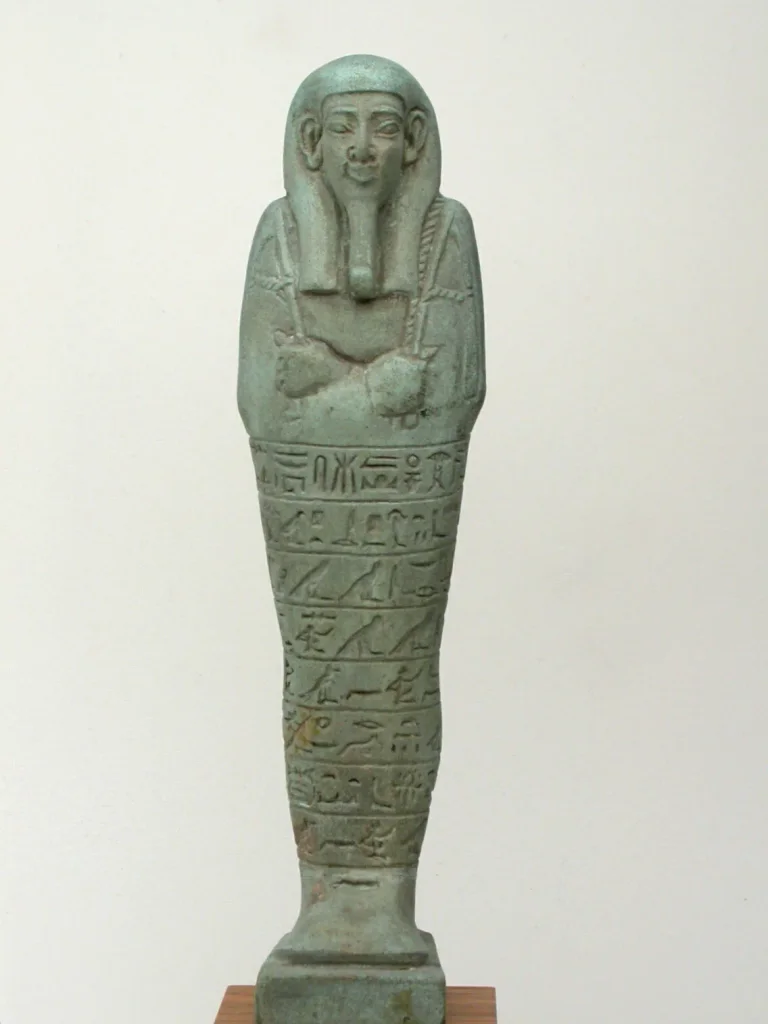
A faience shabti of Wahibreemakhet from Egypt's Late Period, Dynasty 26 (664–525 BCE). The green-gray mummiform figure is inscribed with hieroglyphs.
History & Civilizations
LandscapeMediumAbout 18 min
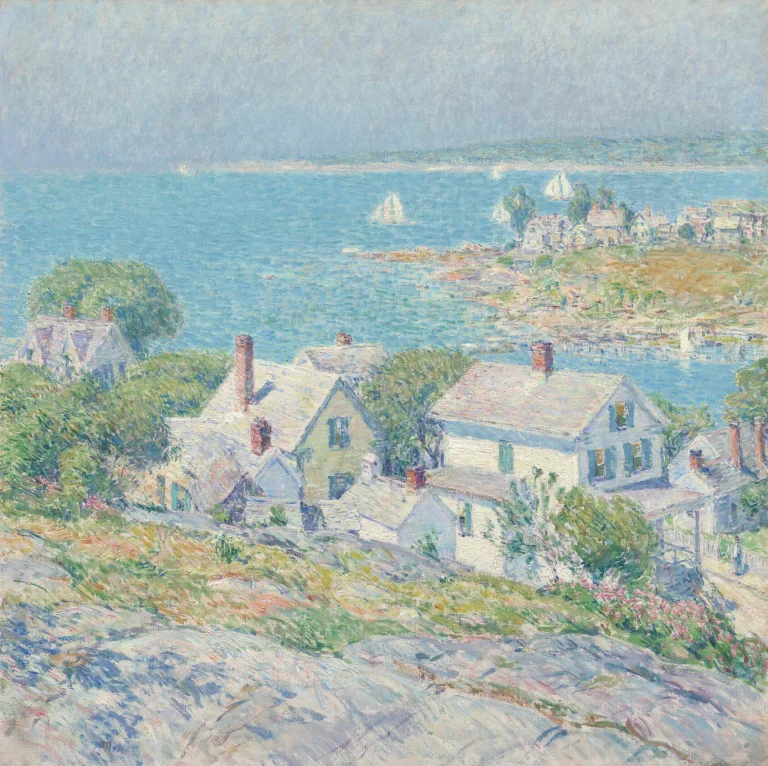
This panoramic landscape depicts Gloucester, Massachusetts, one of Childe Hassam’s favorite destinations. During the summer months Gloucester was home to many artists, who, like Hassam, chose to emphasize its picturesque aspects such as quaint architecture and sailing vessels rather than its fish-processing plants. The composition exhibits Hassam’s broken brushwork and his use of bare canvas.
Classic MasterpiecesNature & Seasons
PortraitMediumAbout 18 min
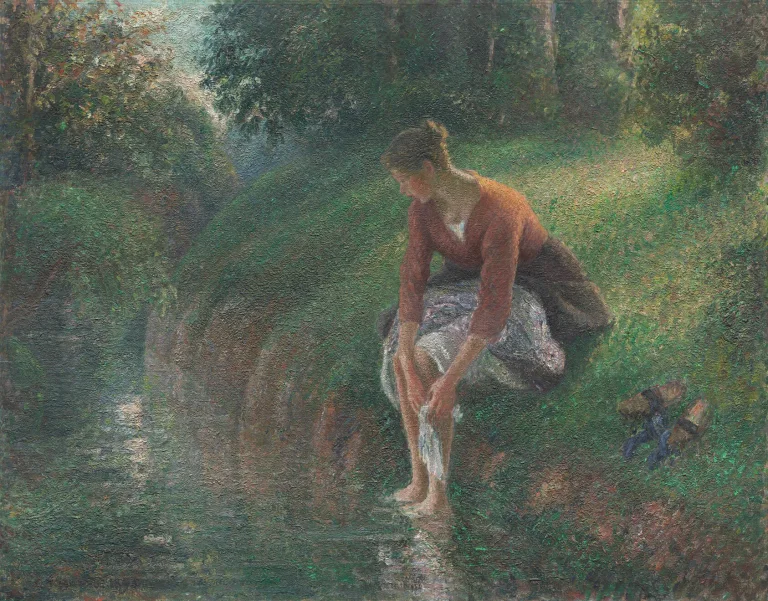
Pissarro referred to this painting in a letter of November 1894, when he wrote to his son Lucien that he wanted to send him a picture of “a little peasant girl dipping her feet in the water.” At the time, he considered the work almost finished but still lacking “that little something,” exclaiming optimistically, “I think I will get it, I feel it!” His continued ruminations on the composition may explain its heavily encrusted surface.
Classic MasterpiecesNature & Seasons
PortraitMediumAbout 18 min
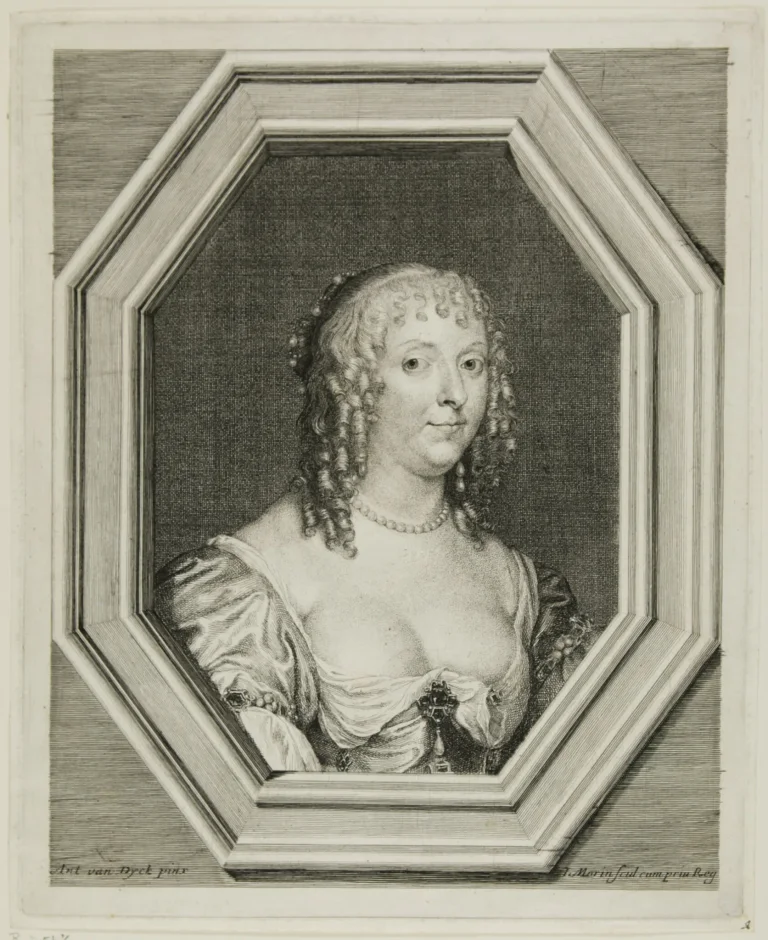
Anne-Sophie Herbert, Comtess de Carnarvon is a work by Jean Morin, in the collection of the Art Institute of Chicago.
Classic MasterpiecesHistory & Civilizations
PortraitMediumAbout 18 min
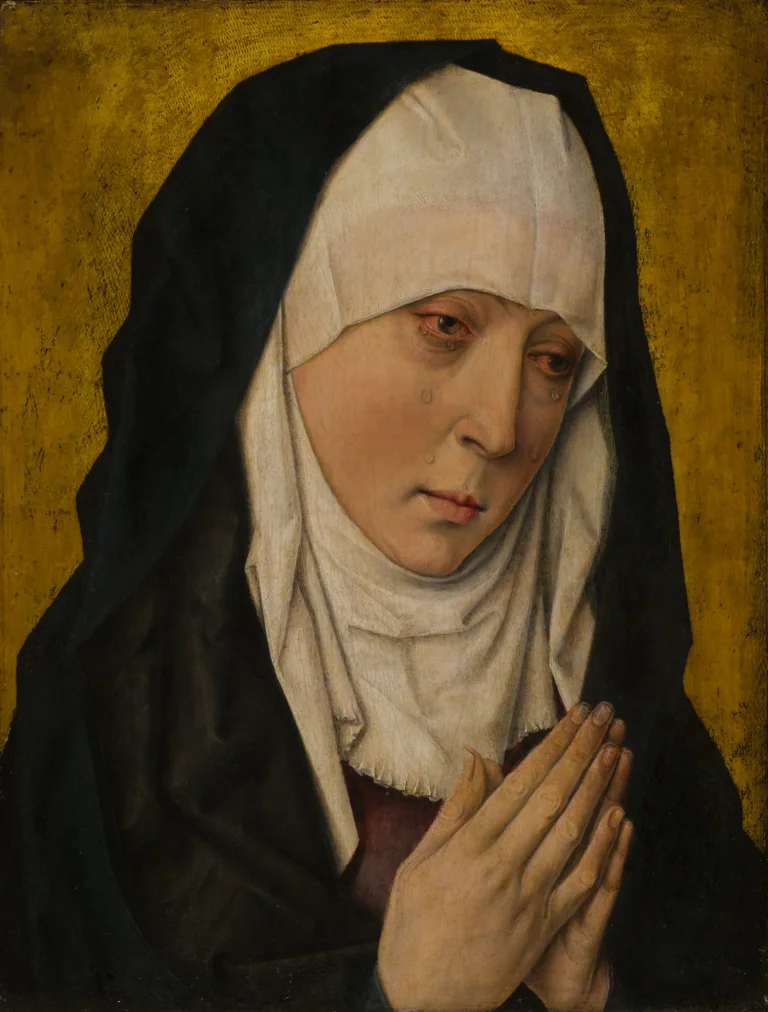
Mater Dolorosa (Sorrowing Virgin) is a work by Workshop of Dieric Bouts, dated c. 1490, in the collection of the Art Institute of Chicago.
Classic MasterpiecesHistory & Civilizations
PatternMediumAbout 18 min
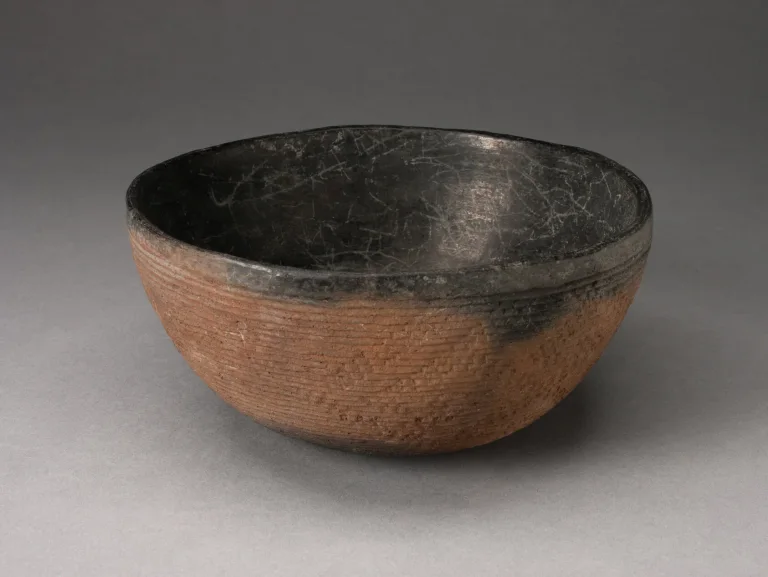
Bowl with Textured Surface Decoration in Basketry-Like Pattern is a work by Ceramist unknown, dated 900–1000, in the collection of the Art Institute of Chicago.
History & Civilizations
LandscapeMediumAbout 18 min
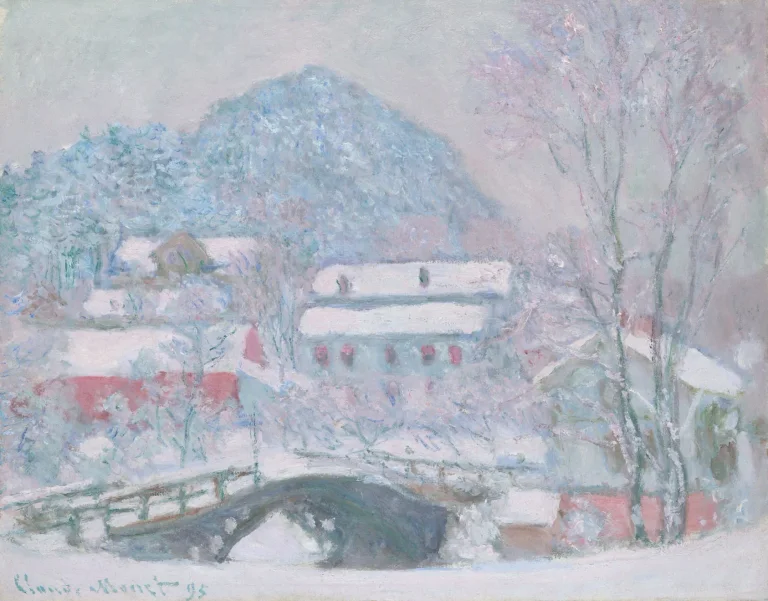
Sandvika, Norway is a work by Claude Monet, dated 1895, in the collection of the Art Institute of Chicago.
Classic MasterpiecesNature & Seasons
PortraitMediumAbout 18 min
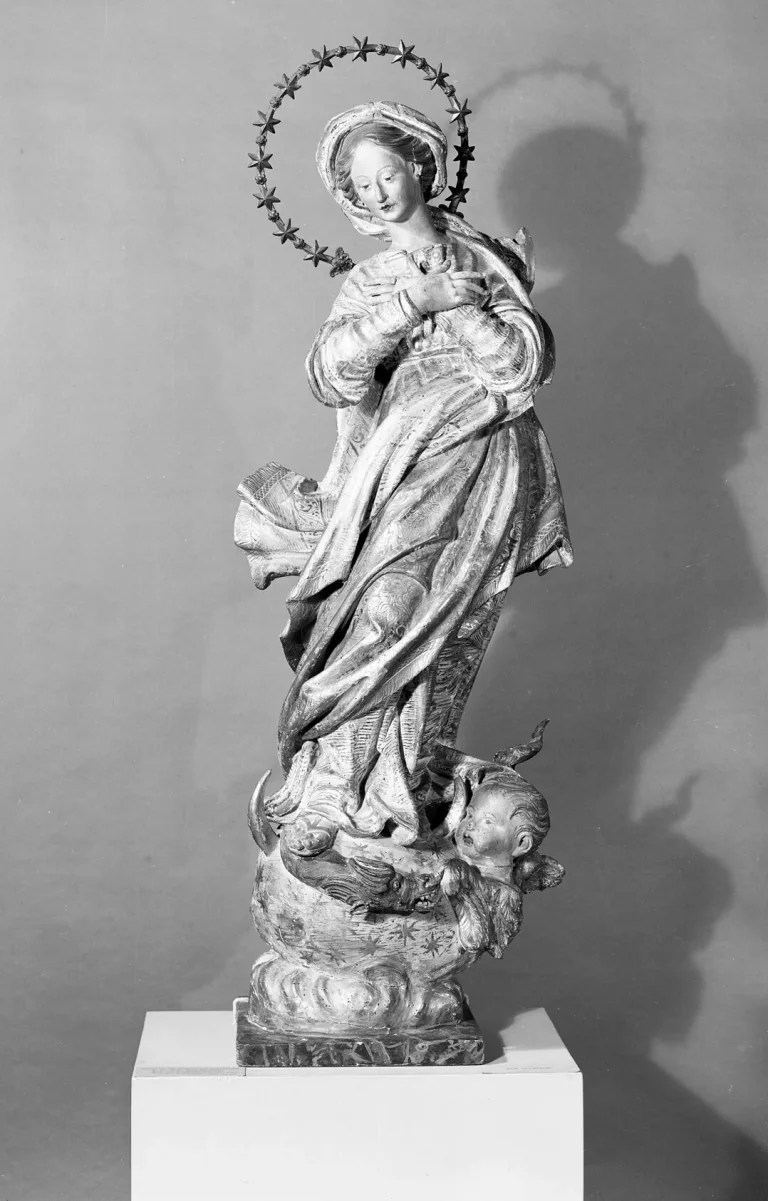
Virgin of the Immaculate Conception is a work by Antonio Maragliano, dated 1710–20, in the collection of the Art Institute of Chicago.
Classic MasterpiecesHistory & Civilizations