ObjectsMediumAbout 18 min
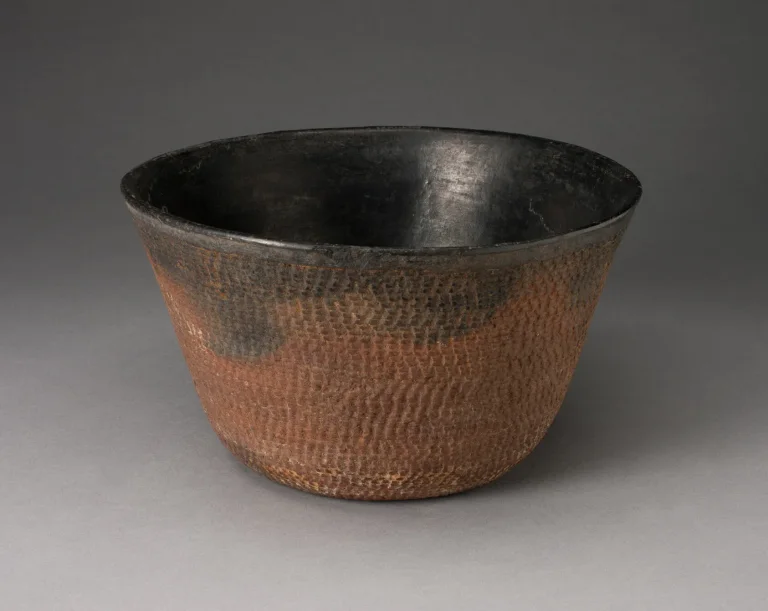
Bowl with Textured Surface Decoration is a work dated 900–1000, associated with Ceramist unknown (possibly Ancestral Puebloan) New Mexico, in the collection of the Art Institute of Chicago.
History & Civilizations
LandscapeChallengeAbout 35 min
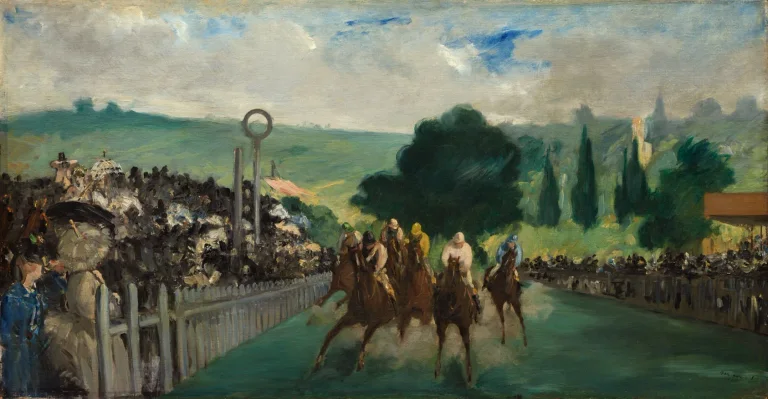
Édouard Manet composed this scene of a racetrack so that the throng of horses and jockeys thunders straight toward the viewer. In contrast to traditional sporting artists, who always showed races from the side with the horses in profile, Manet achieved a sense of expansive space with this thrilling perspective. The painting records the last moments of the race as the horses rush past the finish line, indicated by the pole with a circular top.
Classic MasterpiecesModern ArtAnimals
LandscapeMediumAbout 18 min
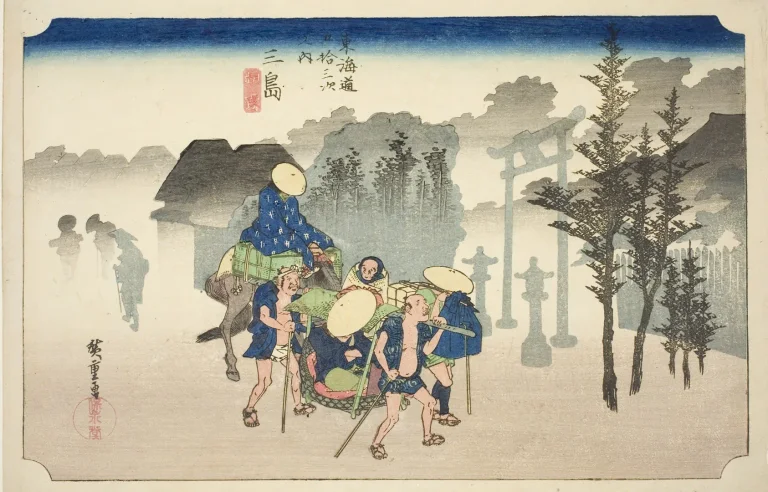
Mishima: Morning Mist (Mishima, asagiri), from the series "Fifty-three Stations of the Tokaido Road (Tokaido gojusan tsugi no uchi)," also known as the Hoeido Tokaido is a work dated c. 1833/34, associated with Utagawa Hiroshige 歌川 広重 Japanese, 1797-1858, in the collection of the Art Institute of Chicago.
Classic MasterpiecesHistory & CivilizationsNature & SeasonsVehicles & Transport
LandscapeChallengeAbout 35 min
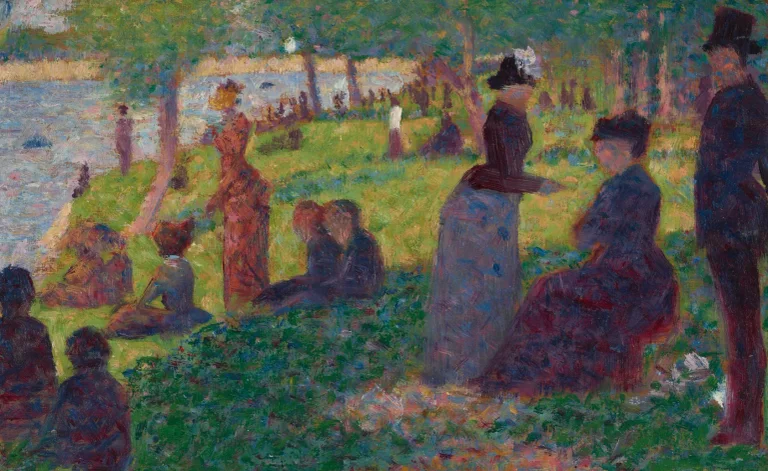
Oil Sketch for "A Sunday on La Grande Jatte — 1884" is a work dated 1884, associated with Georges Seurat (French, 1859–1891), in the collection of the Art Institute of Chicago.
Classic MasterpiecesModern ArtNature & Seasons
ObjectsChallengeAbout 35 min
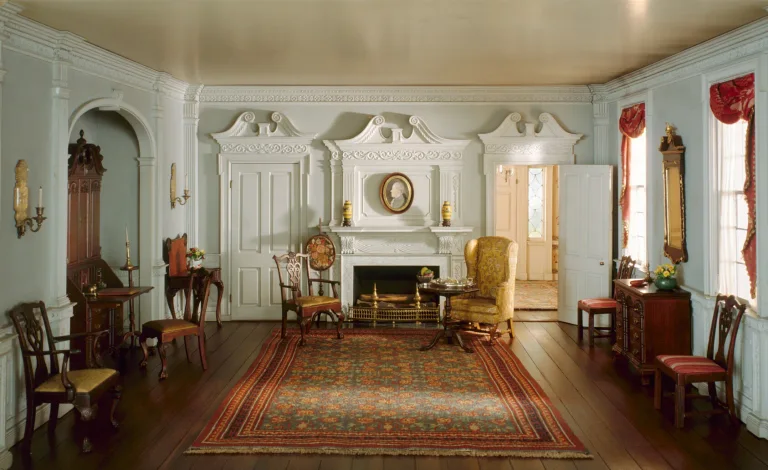
A11: Rhode Island Parlor, c. 1820 is a work dated c. 1940, associated with Designed by Narcissa Niblack Thorne American, 1882-1966, in the collection of the Art Institute of Chicago.
History & CivilizationsInterior DesignMiniatures
ObjectsChallengeAbout 35 min
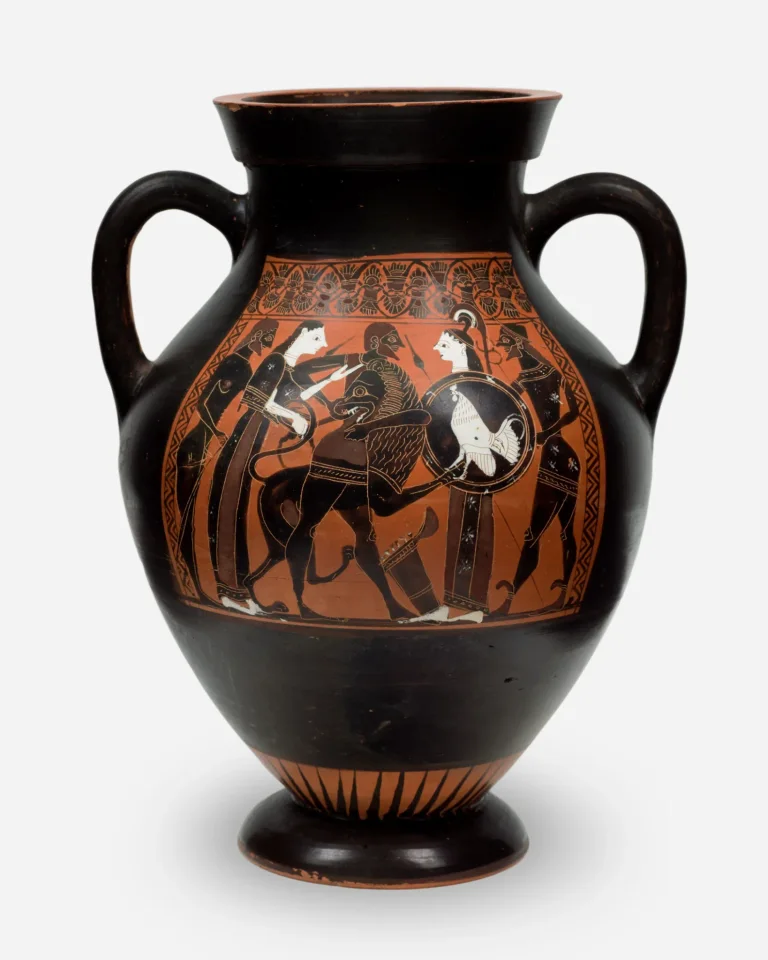
Belly-Amphora (Storage Jar) is a work dated 550-540 BCE, associated with Attributed to the Painter of Berlin 1686 or the Painter of Tarquinia RC 3984 Greek; Athens, in the collection of the Art Institute of Chicago.
History & Civilizations
ObjectsMediumAbout 18 min
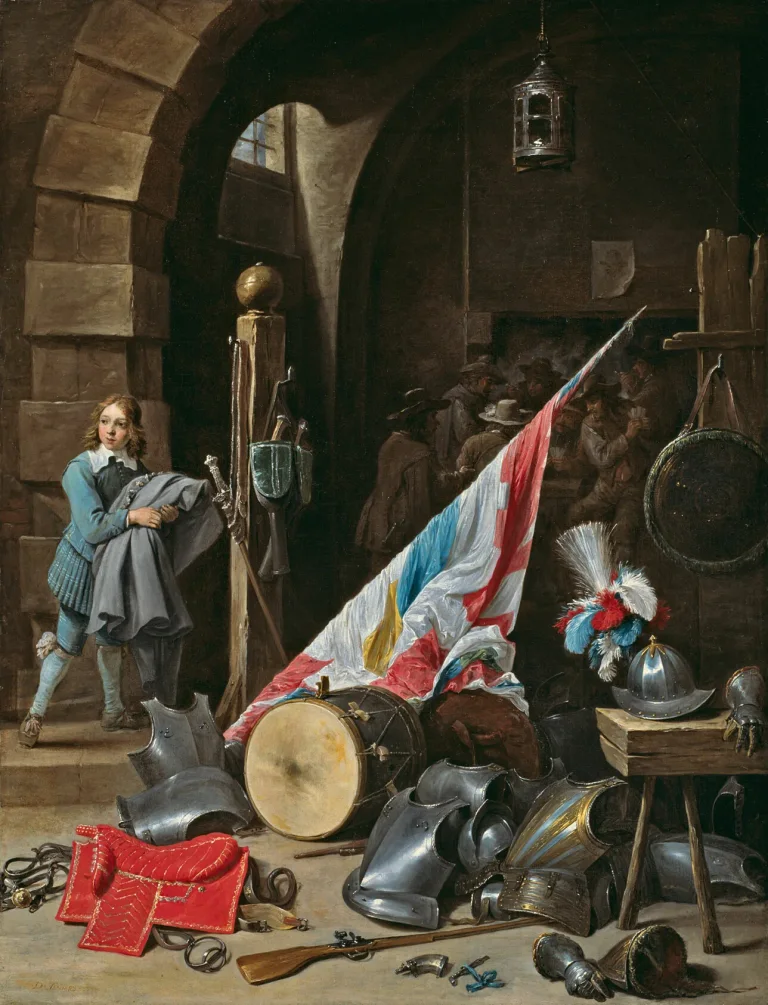
The Guardhouse is a work by David Teniers the Younger, dated c. 1645, in the collection of the Art Institute of Chicago.
Classic MasterpiecesHistory & Civilizations
PortraitChallengeAbout 35 min
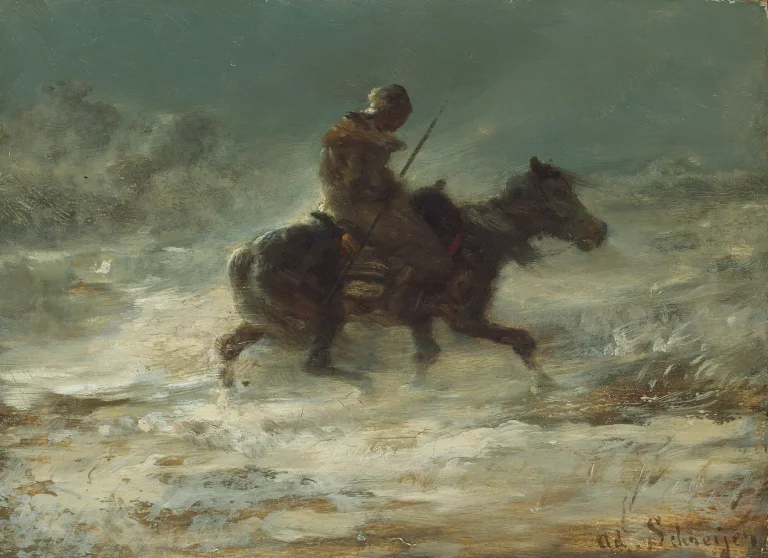
Man with Lance Riding through the Snow is a work dated c. 1880, associated with Adolphe Schreyer (German, 1828–1899), in the collection of the Art Institute of Chicago.
Classic MasterpiecesAnimalsNature & Seasons